Building a Vision for Modern Digital Services Teams
Many government technology teams started as traditional IT departments - executing projects with predefined outputs, dates, and milestones handed down from business owners. They got really good at it. But somewhere along the way, a question emerged: What if we focused more on how we serve our community? What if we focused our time and effort on things that have greater impact?
This question launched a journey that many government digital teams are now navigating: evolving from project execution to community-focused service delivery.
The Transformation Framework
Making this shift requires transforming how we perceive and achieve our work across five key dimensions:
1. From Outputs to Outcomes
Outputs are the tangible deliverables you release - the work you've completed. Outcomes are the results you achieve - the goals you hit.
The difference is profound. Adding a language translation feature to your website is an output. Increasing Spanish-language website usage by 30% is an outcome.
When teams focus on outputs, they celebrate shipping features. When teams focus on outcomes, they celebrate community impact.
2. From Incremental to Iterative
Traditional government IT delivers big projects over long timelines, with value arriving at the end. Modern digital services teams deliver smaller amounts of value continuously, learning and improving as they go.
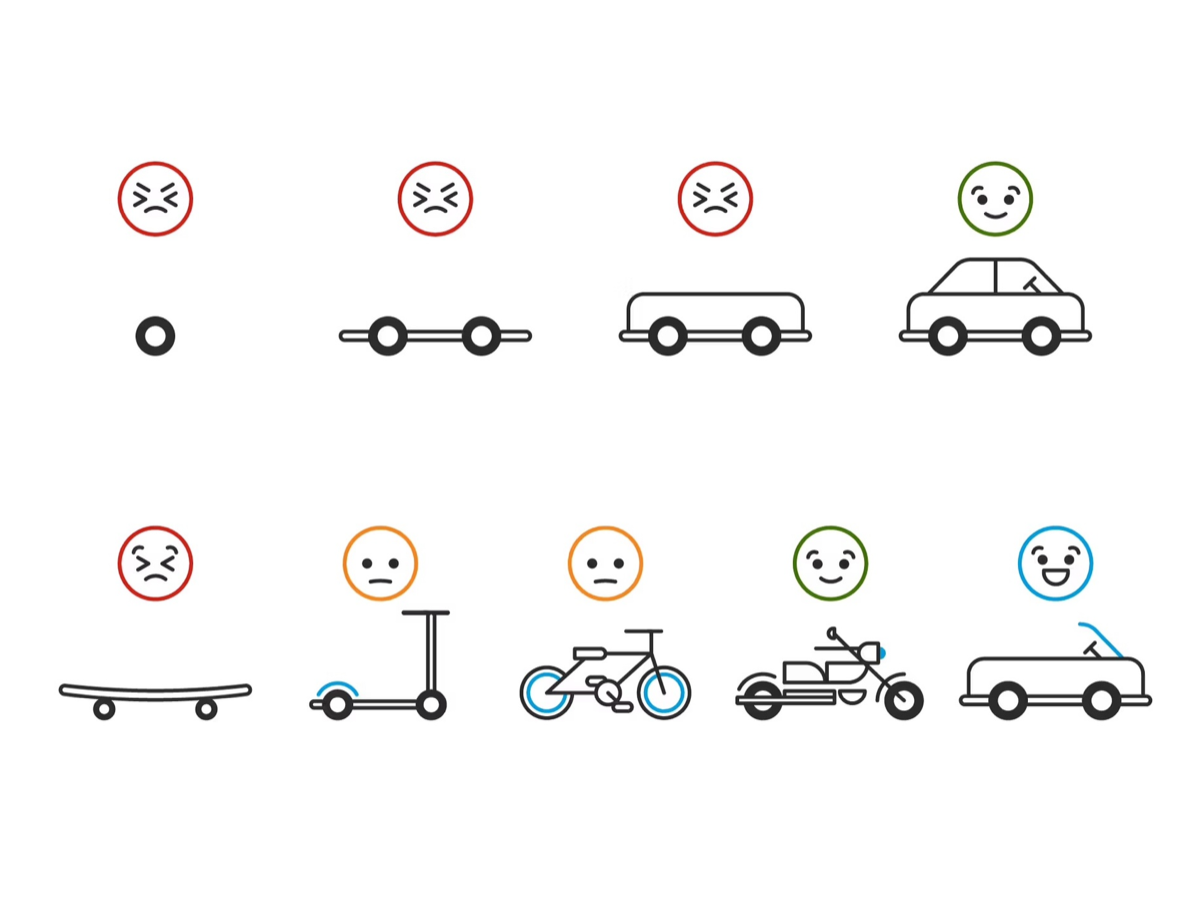
Incremental delivery builds a complete solution piece by piece - you get value only at the end. Iterative delivery provides usable value at each stage, with each iteration improving on the last.
3. From Customer & Provider to Collaborative Partners
In the old model, internal customers tell the technology team what they want, and the team executes. In the new model, the team is given goals and figures out how to achieve them - together.

This shift changes the fundamental relationship. Instead of order-takers waiting for requirements, digital services teams become strategic partners who understand problems deeply and propose solutions.
4. From Competing Priorities to Clear Direction
Many IT teams suffer from having multiple stakeholders, each with their own "#1 priority," all competing for limited resources. The result is context-switching, incomplete work, and frustrated everyone.

Modern digital services teams have clear leadership that directs the team toward a unified vision. Prioritization becomes transparent, trade-offs are explicit, and the team can focus on what matters most.
5. From Indirectly to Directly Serving the Community
Traditional IT serves internal staff who serve the community - they're "serving the people who serve the people." Digital services teams serve the community directly, in partnership with agency staff.
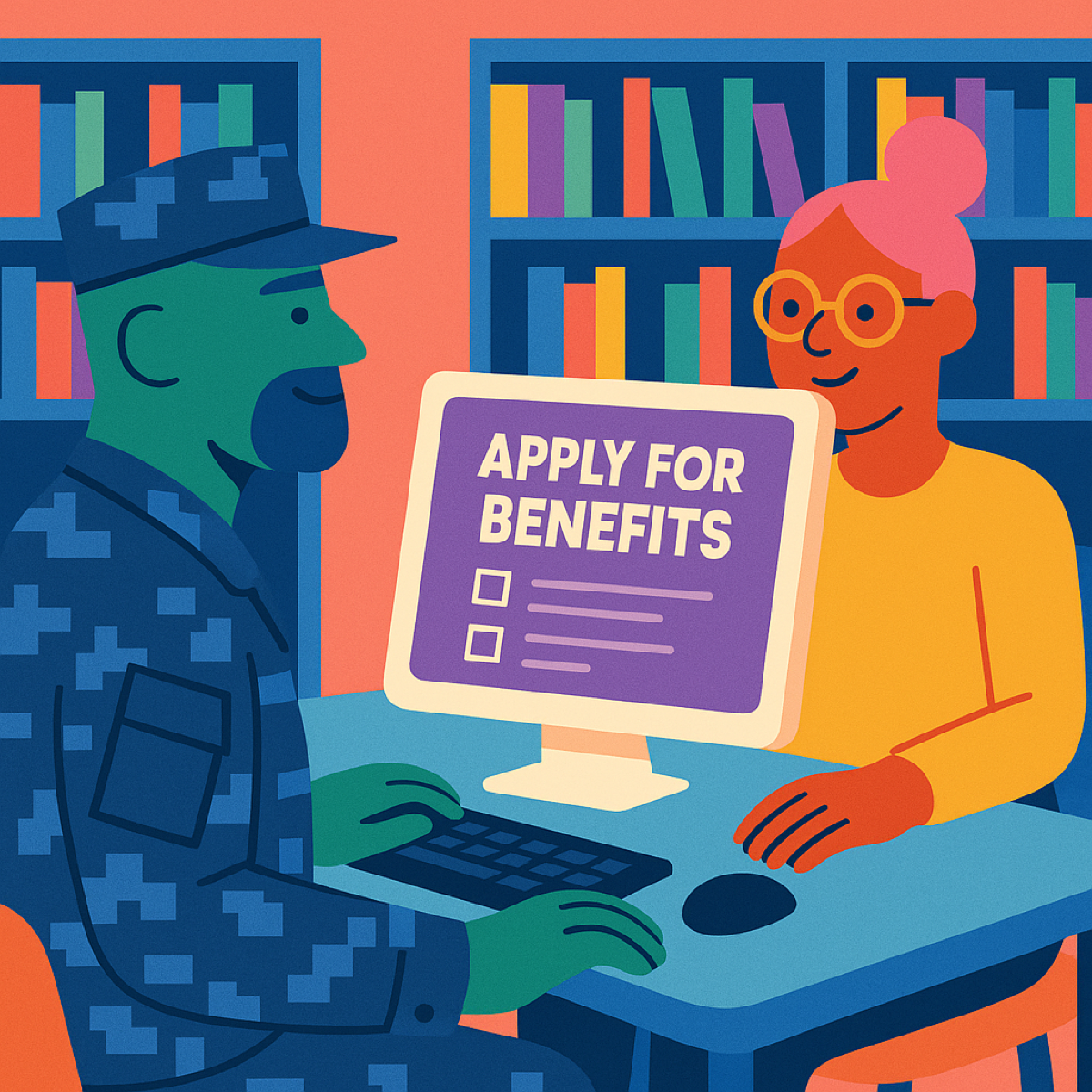
This shift changes perspective dramatically. Instead of building internal tools, you're building community experiences. Instead of optimizing staff workflows, you're removing barriers for residents.
The 90/10 Rule
Here's what might surprise you: 90% of the actual work doesn't change much. People still write code, design interfaces, manage projects, and support systems.
What changes is the 10% - the starting point. When you change the core goals and perspectives, when you shift from outputs to outcomes as your north star, that 10% ripples through everything else.
One Service, Not Many
A critical mindset shift is viewing your overall service as one thing, not many things. From the community's perspective, they don't care about your org chart or system boundaries - they just want to access services.
This unified view helps teams:
- Make consistent user experiences across touchpoints
- Identify gaps and redundancies
- Prioritize work that serves the whole, not just individual projects
Three Phases of Digital Service
Work typically falls into three phases:
Discovery - Focused on determining what solutions to human problems will meet our goals. This is research, user interviews, prototyping, and validating assumptions before building.
Delivery - Focused on building the solutions. This is design, development, testing, and deployment.
Enablement - Focused on ensuring users are successful with the solutions we provide. This is training, documentation, support, and continuous improvement.
Different work requires different emphasis. New initiatives need heavy discovery. Mature products might need more enablement focus.
Not All Work is Roadmap Work
A common trap is treating all work as equal. In reality, teams need to balance:
- Roadmap work - Strategic initiatives that advance the vision
- Small requests - Quick wins and stakeholder needs
- Technical upgrades - Infrastructure, security, and maintenance
Clear capacity allocations and prioritization processes help teams balance these without constant firefighting.
Key Roles in Transformation
Two roles become critical in this evolution:
Product Manager - Answers "What problems do we need to focus on solving to meet our goals?" They understand community needs, define outcomes, and maintain the strategic vision.
Product Owner - Answers "How do we break this work down and determine backlog priority?" They translate strategy into actionable user stories and manage the development backlog.
These roles collaborate constantly on trade-offs as estimation and scope evolve. Neither works in isolation.
Changes You Can Start Now
If your team is ready to begin this evolution, consider starting with:
-
Quarterly planning - Better alignment of work you intend to accomplish, reviewed and adjusted every three months
-
Capacity allocations - Clear understanding of available time for different types of work (roadmap vs. maintenance vs. requests)
-
Prioritization process - Transparent framework for balancing competing needs with clear decision criteria
The Journey Ahead
This transformation is ambitious. You can't snap your fingers and make it all true tomorrow. It takes time, patience, and consistent progress.
But you can start now. Each small shift - from outputs to outcomes, from competing priorities to clear direction - compounds over time.
The most important thing is laying groundwork together as a team. There will be questions. There will be uncertainty. But when everyone knows the direction and how you'll work together to get there, those questions become opportunities rather than obstacles.
Government digital services teams that make this evolution don't just deliver better technology - they deliver better community outcomes. And that's what public service is all about.